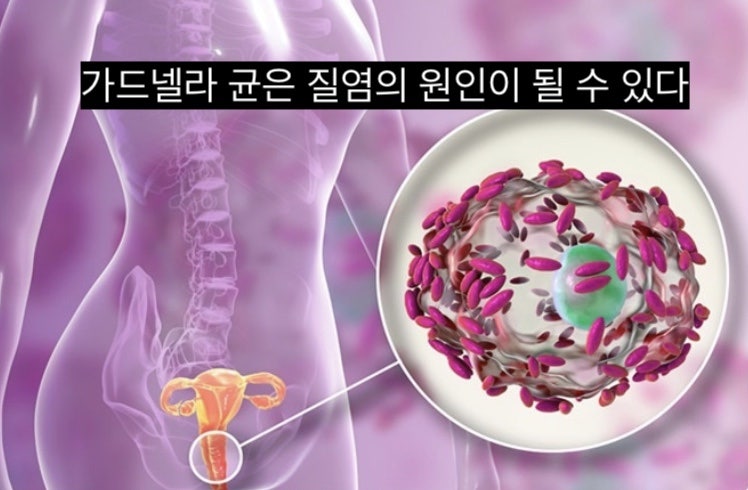
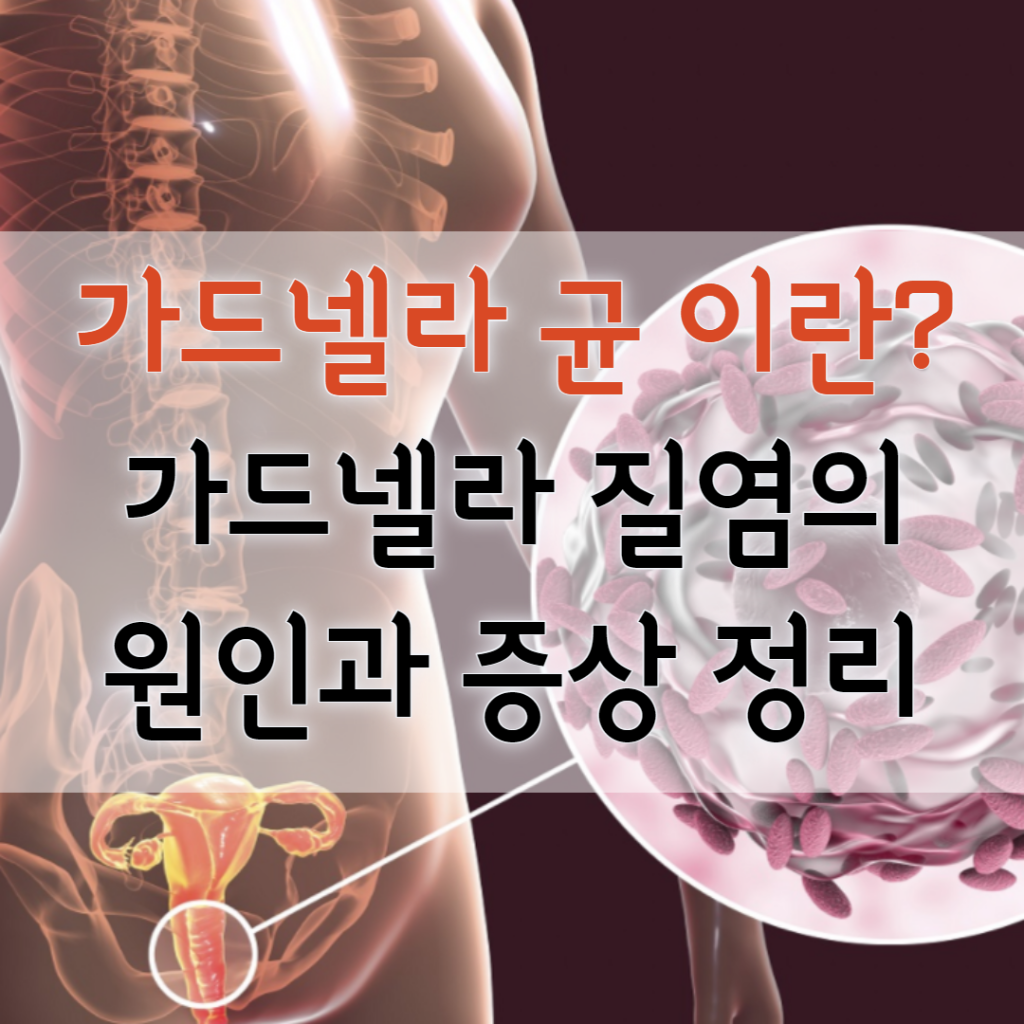
Today, in our first post, we will introduce Gardnera, which tests positive the most frequently among the 12 PCR tests for sex-borne diseases (STD).

Gardnerella vaginalis (+)
1. Is it a venereal disease?

Gardnera is not a venereal disease. It is a vaginitis bacterium that causes bacterial vaginitis. There are times when I go to my partner because of the relationship, but it causes problems only for women, and men don’t have any particular symptoms, so men can ignore it. 2. The test is positive. Do I have to treat it?
If I were a woman, would I definitely be treated if Gardnera (+) came out? The answer is that if you don’t have NO symptoms, antibiotics are meaningless. Originally, there are a few in the normal vaginal bacterial layer of women, and if you multiply dominantly due to worsening condition or changes in vaginal acidity, it will be treated with oral antibiotics.
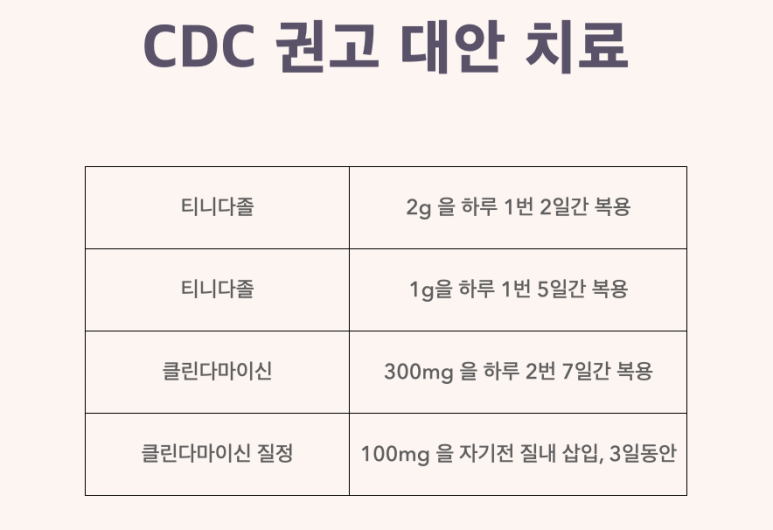
I don’t have any particular symptoms, but is there a lot of coldness? If it’s a moderate symptom, topical drugs such as vaginal tablets and gel-type treatments will improve several times, and you will feel better or better yourself. 3. Why is it positive when you don’t have much sexual experience?

Like the answer to question 2, it’s possible. You may get vaginitis even if you have no experience. 4. Then, why is it included in the STD test?
Usually, when the secretion is not good, it overlaps with other tests that evaluate the severity of inflammation, and I think the biggest reason is to decide whether to take medicine or not by looking at Gardnera (+) together. Hospitals that look directly at the microscope are rare, so I think it’s because the patient’s explanation and adaptability are better when Gardnera (+) comes out in red than when a doctor looks at the microscope alone. 5. in the case of a pregnant womanBacterial vaginosis with symptoms must be treated because it is related to premature birth, early amniotic low-weight childbirth, chorionic villitis, and postpartum endometritis. In fact, pre-treatment does not prevent premature birth. If you have symptoms, we will treat them by inserting vaginal tablets and disinfecting them when visiting the outpatient clinic.Williams: Obstetrics, Episode 25Williams: Obstetrics, Episode 25